
The Foundation
Mindset
Build the habits, discipline, and resilience that shape the life you're building—at the dinner table, in your work, in your community. Not just at the gym.
The minimum
What the research says is enough to start.
Mindset is built from small habits repeated over time, not big bursts of willpower. The research points to a few simple, practical ideas. Here they are, in plain numbers.
If–then
plans beat good intentions
Deciding in advance exactly when and where you'll act ('After I pour my coffee, I'll stretch for two minutes') helps people reach their goals. Across 94 studies the effect was medium to large.
: Gollwitzer and Sheeran, Advances in Experimental Social Psychology (2006)
18–254 days
is how long a new habit can take
In a study of everyday habits, the time to reach a stable routine ranged from about 2.5 weeks to more than 8 months. If it feels slow, that's normal.
: Lally et al., European Journal of Social Psychology (2010)
1 miss
doesn't undo your progress
In the same study, missing a single day did not materially affect habit formation. What matters is getting back to it.
: Lally et al., European Journal of Social Psychology (2010)
50%
greater odds of survival with strong relationships
A review of 148 studies found that people with stronger social connections had about 50 percent greater odds of survival over the follow-up period. Who you do this with matters.
The research
Why habits beat willpower.
The people who stick with healthy changes aren't always the most motivated. They tend to use a few simple strategies that anyone can learn.
Specific plans close the gap
A meta-analysis of 94 studies found that 'implementation intentions', plans that link a situation to a specific action, had a medium-to-large effect on reaching goals compared with just intending to.
: Gollwitzer and Sheeran, Advances in Experimental Social Psychology (2006)
Habits take time, and misses are fine
People who tried to make a daily behavior automatic took anywhere from 18 to 254 days. Performing the behavior more consistently helped, but missing one opportunity made little difference.
: Lally et al., European Journal of Social Psychology (2010)
Meditation can ease stress
A review of 47 trials with 3,515 adults found moderate evidence that mindfulness meditation programs improve anxiety, depression and pain, and only low evidence for stress and quality of life. It found no evidence that meditation beat other active treatments, such as exercise. It's one tool among several, not a cure-all.
Connection is part of health
In 148 studies with 308,849 people, stronger social relationships were linked to a 50 percent greater likelihood of survival. The researchers say the influence is comparable with well-established risk factors for early death.
Example for beginners
An example first four weeks.
This is an example of what a beginner's first four weeks could look like, not a prescribed plan or clinical protocol. It builds one small habit at a time. Adjust it to your life. Consistency matters more than speed.
Week 1
Pick one tiny habit
Choose one small action and write it as an if–then plan: 'After I pour my coffee, I'll take two quiet minutes.'
Week 2
Make it visible
Mark an X on a calendar each time you do it. Keep the habit tiny so it's easy to repeat.
Week 3
Add support
Tell one person your goal, or join others working on theirs. You don't have to do it alone.
Week 4
Review without judgment
Look at what worked and what didn't. Expect misses and adjust the plan, not your self-worth.
Your first habit
Build your first habit in five steps.
Pick something small and make it easy to do. This is our simple take on the strategies in the research, and you can use it for any habit you want to build.
- 1
Choose one tiny habit
Start with something that takes two minutes or less, like five slow breaths, a short walk or writing tomorrow's top three tasks.
- 2
Attach it to a trigger
Link it to something you already do: after you start the car, before you open your laptop, or when you sit down to eat.
- 3
Write your if–then plan
'After I [trigger], I will [habit].' Say it out loud or put it where you'll see it.
- 4
Track it
Mark an X on a calendar each time you do it. A simple streak is easy to see and fun to keep.
- 5
Celebrate and repeat
Give yourself a small win each time, then keep it going. Once it feels natural, add the next habit.
How to use it
- Plans that name a specific situation and action had a medium-to-large effect on follow-through, so be specific about when and where.
- Start tiny. Two minutes you actually do beats twenty you skip, and a habit can take weeks to months to feel automatic.
- If you miss a day, simply start again the next time your trigger comes up. One miss doesn't undo your progress.
- A good first habit is a two-minute reset: stop and sit, take five slow breaths, notice how you feel, and name the one thing that matters most in the next hour. Meditation programs had moderate evidence for easing anxiety and low mood.
: Gollwitzer and Sheeran, Advances in Experimental Social Psychology (2006) · Lally et al., European Journal of Social Psychology (2010) · Goyal et al., JAMA Internal Medicine (2014)
Recommended reading
Books to keep you building.
Four popular, practical reads on building habits and a growth mindset. They aren't clinical research, but each one pairs well with the strategies above and can keep you going when motivation dips.
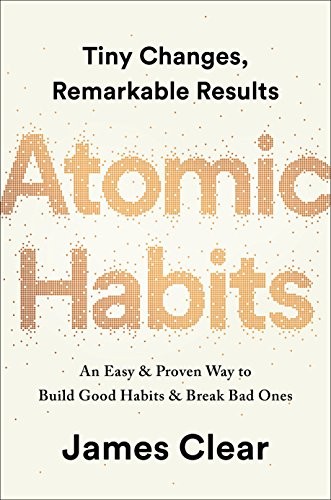
Atomic Habits
James Clear · 2018
A practical guide to building good habits and breaking bad ones through tiny changes. Clear breaks every habit into a simple loop and shows how to make good ones obvious, attractive, easy and satisfying.
Small improvements repeated every day add up, and the strongest habits are tied to the kind of person you want to become.
if–then plans and starting tiny.
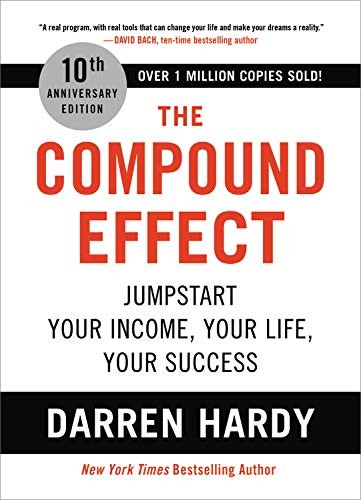
The Compound Effect
Darren Hardy · 2010
A straightforward look at how small, smart choices, repeated consistently over time, produce big results. It focuses on tracking your progress and owning your everyday decisions.
Success rarely comes from one big move. It comes from everyday choices that compound.
tracking your habit, and the finding that one missed day doesn't undo your progress.
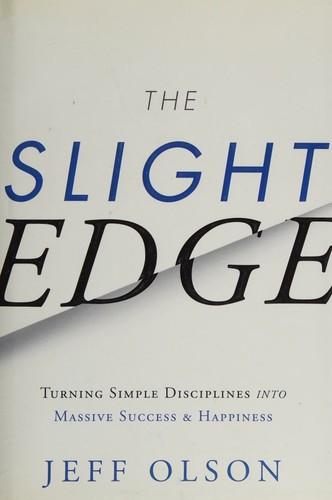
The Slight Edge
Jeff Olson · 2005
A short, motivating book about simple daily actions that seem too small to matter, and how they quietly add up over time. The same is true of the little things we skip.
What's easy to do is also easy not to do, so small daily disciplines make the difference between reaching your goals and drifting.
the habit research: it can take weeks to months, so keep going.
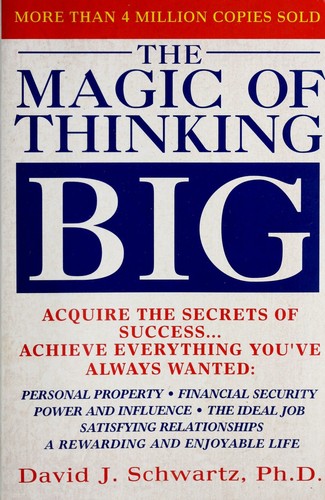
The Magic of Thinking Big
David J. Schwartz · 1959
A classic on belief, confidence and action. Schwartz encourages you to set bigger goals, let go of self-doubt and take initiative, one practical step at a time.
What you believe is possible shapes what you attempt, so think bigger, then act.
if–then plans: use a big goal for direction, then turn it into one small habit.
Summaries are in our own words. The books are popular, practical reads, not clinical research, and the research on this page stands on its own.
Helpful tools
A helpful extra for focus.
Good habits do the heavy lifting. If you want extra support for mental clarity, here's one example from the brands we work with, and how it can fit your routine. The best way to find what fits you is the starter assessment.
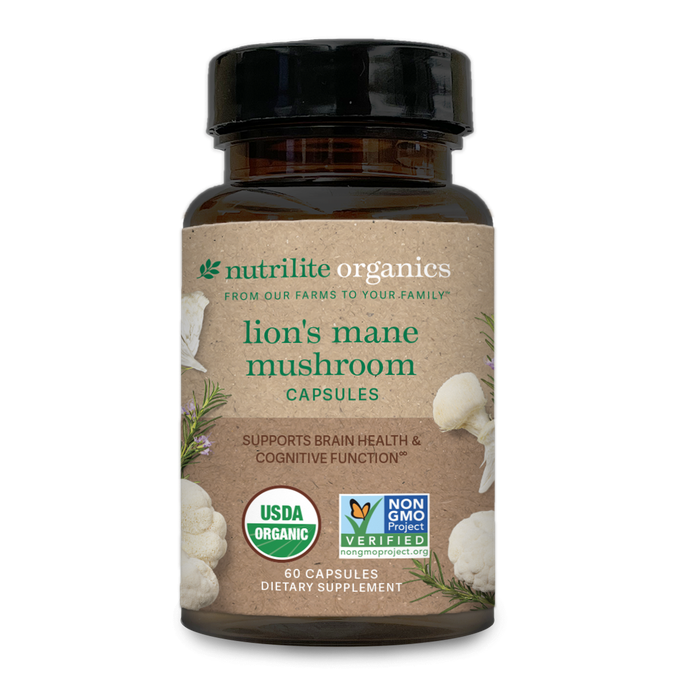
Mushroom supplement
Nutrilite™ Organics Lion's Mane Mushroom Capsules
Capsules made with organic lion's mane mushroom extract, organic maitake mushroom and rosemary extract, grown on certified organic partner farms and DNA-verified.
- 540 mg lion's mane extract per serving
- 60 capsules per bottle
- Vegetarian, dairy free, gluten free and soy free
How it can fit your routine
Lion's mane is a popular mushroom for supporting focus and brain health. This organic, DNA-verified blend pairs it with maitake and rosemary, a simple add-on for the days when mental clarity matters most.
Facts come from the manufacturer's product labels. These statements have not been evaluated by the Food and Drug Administration. This product is not intended to diagnose, treat, cure or prevent any disease. Talk with your doctor before starting a supplement, especially if you have a health condition, take medication, or are pregnant or nursing.
Starter assessment
Make Mindset fit your life.
Not sure where to start? Tell us where you are today with a few quick questions. Your answers come straight to us, and Levi will reach out personally to talk about what fits your life.
Common questions
Questions people ask before they start.
Isn't mindset just positive thinking?
Not really. The strongest evidence here is for practical strategies, like if–then plans and small repeated habits, not for trying to think happy thoughts. Positivity helps, but a plan beats a pep talk.
: Gollwitzer and Sheeran, Advances in Experimental Social Psychology (2006)
What if I miss a day, or a week?
Missing one day made little difference in the habit research. If you miss more, you haven't failed. Pick it back up at your next trigger and keep the plan small.
: Lally et al., European Journal of Social Psychology (2010)
How long until a habit feels automatic?
It varies a lot. In one study it took anywhere from about 18 days to 254 days, and doing the habit more consistently helped. Be patient, keep it tiny, and let it build.
: Lally et al., European Journal of Social Psychology (2010)
What if I feel overwhelmed or down?
Habits can help, but they aren't a replacement for care. If you feel hopeless, can't function, or have thoughts of harming yourself, please reach out to a doctor or mental health professional, or call or text 988 in the U.S. to reach the Suicide & Crisis Lifeline.
Explore the other pillars.
Movement & Strength
Learn moreNutrition
Learn moreSleep & Recovery
Learn more